About Me
I'm Jun Wei. I started in civil engineering, fell into AI by accident, and most of what I do now lives somewhere between the two.
How I ended up in engineering
I picked civil engineering for pre-uni because I was nerd-sniped by tunnels. There's a YouTube channel called Practical Engineering that walks through how concrete cures, why soil behaves the way it does, what's actually holding up the world. I watched a lot of it. Something about people boring a 15-metre tunnel 40 metres under the ground so the rest of us can take the MRT just felt like quiet magic.
I went to NUS on the engineering scholarship, which let me move through the degree on a slightly accelerated track. The shape of that programme nudged me into doing more research and trying more interdisciplinary stuff early than I otherwise would have.
A side quest in concrete
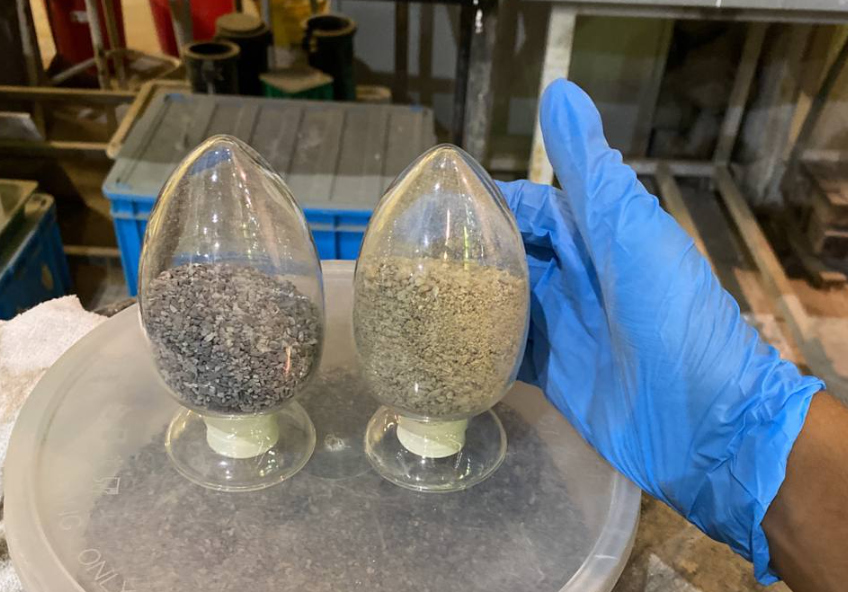
For my undergrad research project, I worked on whether you could replace some of the sand in concrete with recycled tunnel muck, the rock waste left over after boring tunnels. It mattered locally: Singapore imports almost all its sand, so anything that takes a chunk out of that import dependency is worth chasing, and the carbon footprint comes down too. We did the lab work, ran the mixes, and the substitution held up.
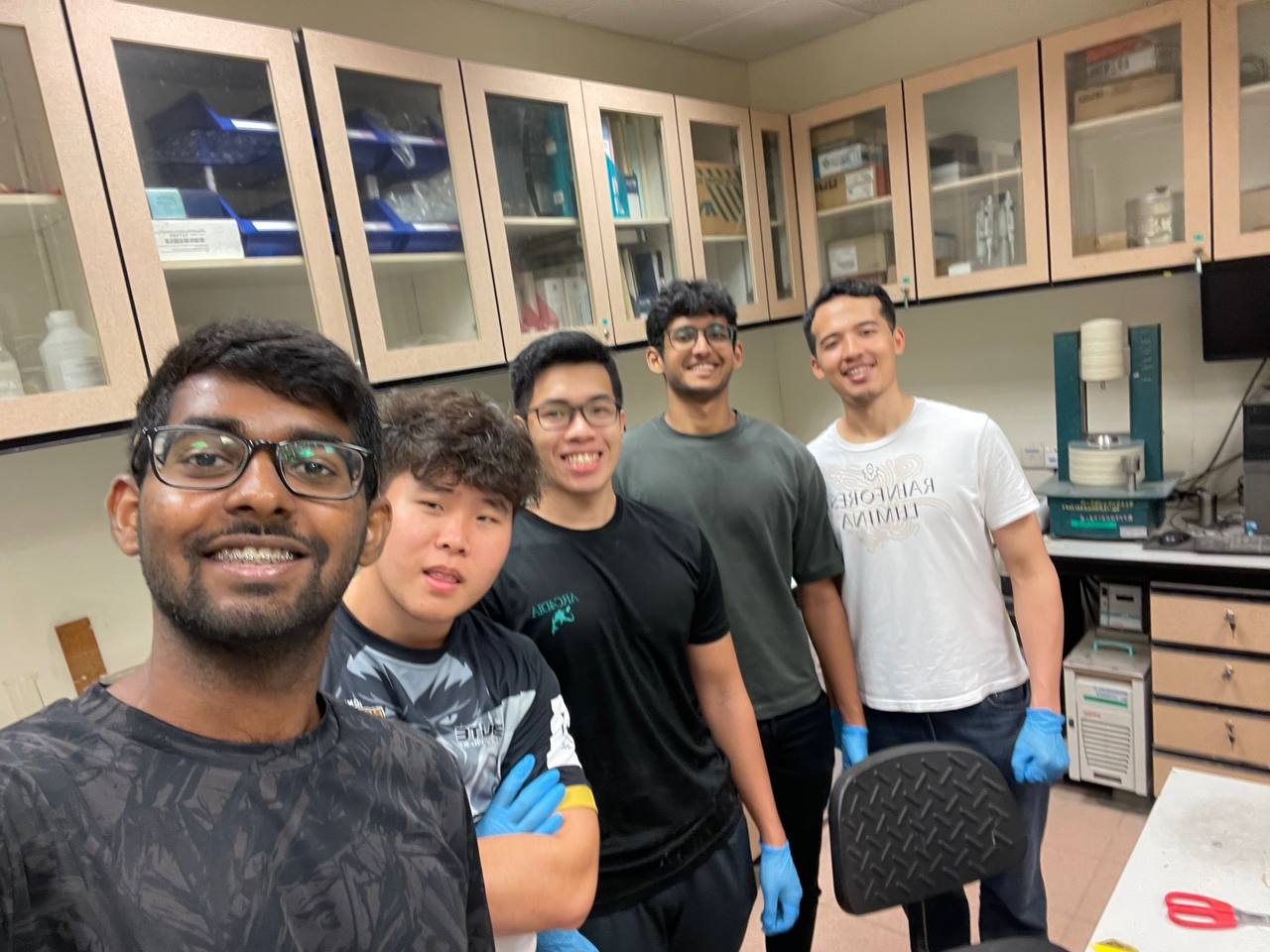
The project picked up a few awards (EIC, CDE, and the OURP), but the part I remember most is the unglamorous bit: standing around a mixer in PPE, breaking cubes on a press, and writing down numbers. Research is mostly that.
How I ended up in AI
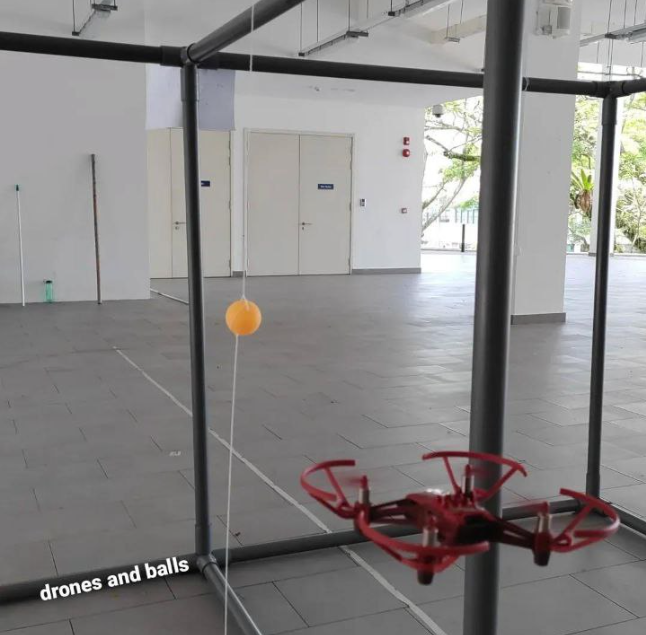
Second semester of undergrad I took a course called Optimisation and Algorithms for Civil Engineers, mostly because the title sounded fine and it counted for a requirement. The project was the part that ruined me: fly a small drone across a set of inspection points on a building, capture images at each point, classify them, and do it all on the shortest possible route. Travelling Salesman with a Tello and a webcam. We used pingpong balls stuck on a wall as stand-in defects, which is exactly as ridiculous as it sounds.
That was the moment the switch flipped. The civil engineering work was still interesting, but the part where you write code that watches the world and figures something out, that was the part I wanted to do every day. I started taking the computer science and data analytics minors seriously, picked up reinforcement learning along the way for my thesis on taxi rebalancing, and the rest of the story is on the projects page.
What I do when I'm not at a laptop
Things that take up disproportionate amounts of my brain:
- GeoGuessr. Trying to learn the bollard meta. Trying to fail. I'm continually amazed that people can locate a photo from a roadside soil colour and a half-visible licence plate. Most of Geo-Safe-Filter exists because of this hobby.
- Formula 1. I'm a Mercedes fan, which has been a character-building decade. The actual draw is the strategy: tyre calls, undercuts, when to box. I keep thinking I'd like to try race strategy one day, even just at a sim level.
- League of Legends. Played since I was 13, mostly ARAM and URF now because Summoner's Rift makes me a worse person. The macro game is genuinely fascinating, even when I'm autopiloting Brand into a wall.
Get in touch
If you're working on something at the intersection of AI and something messy and real (healthcare, retail, infrastructure, whatever), or you just want to yap about any of the above, I'd love to hear from you.